Bridging Fundamental Science With Real-World Applications
How The Process Works
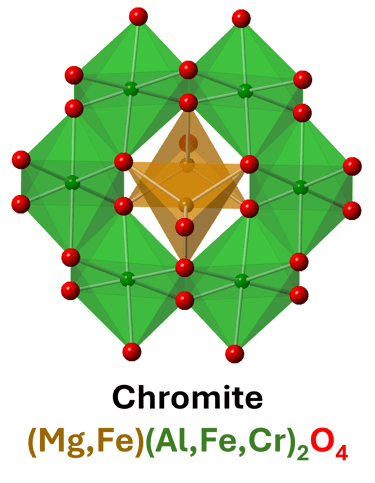
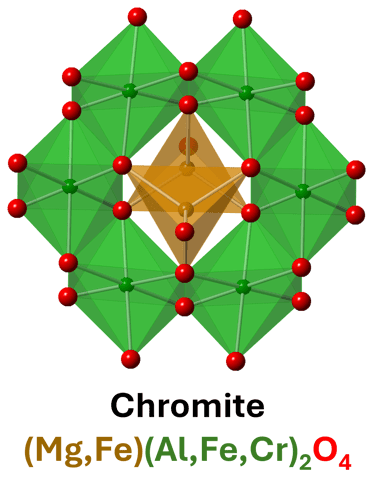
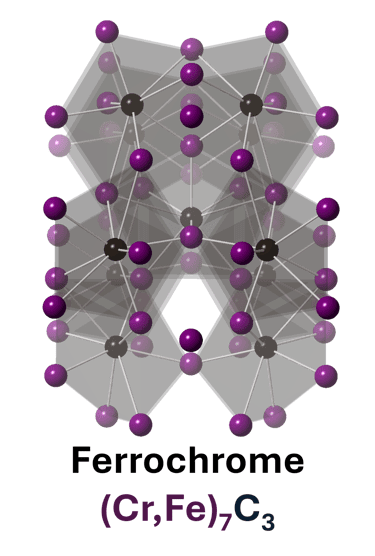
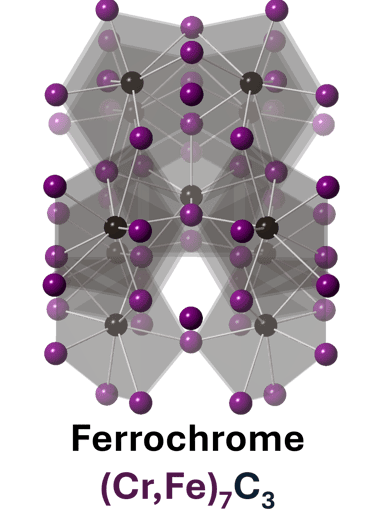
Step 1 - Pelletization & activation
Step 2 - Controlled carbothermic reduction in rotary hearth
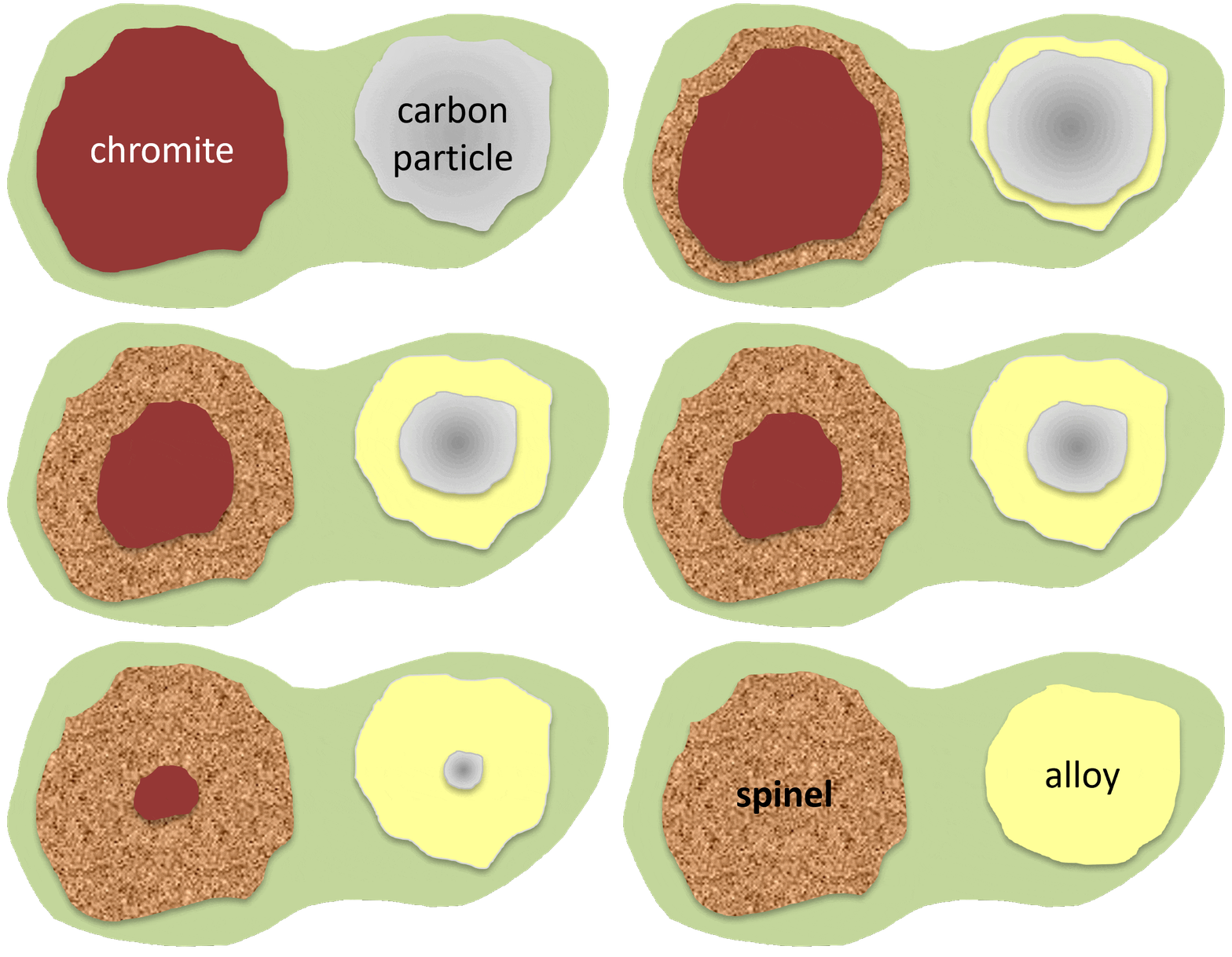
Incongruent dissolution of chromite in molten salt
Transport of Fe and Cr species and reduction on carbon particles
Shrinking cores of chromite and carbon particles
Alloy formation
Residual refractory spinel and ferrochrome alloy particles as final products
Each pellet behaving as mini reactors
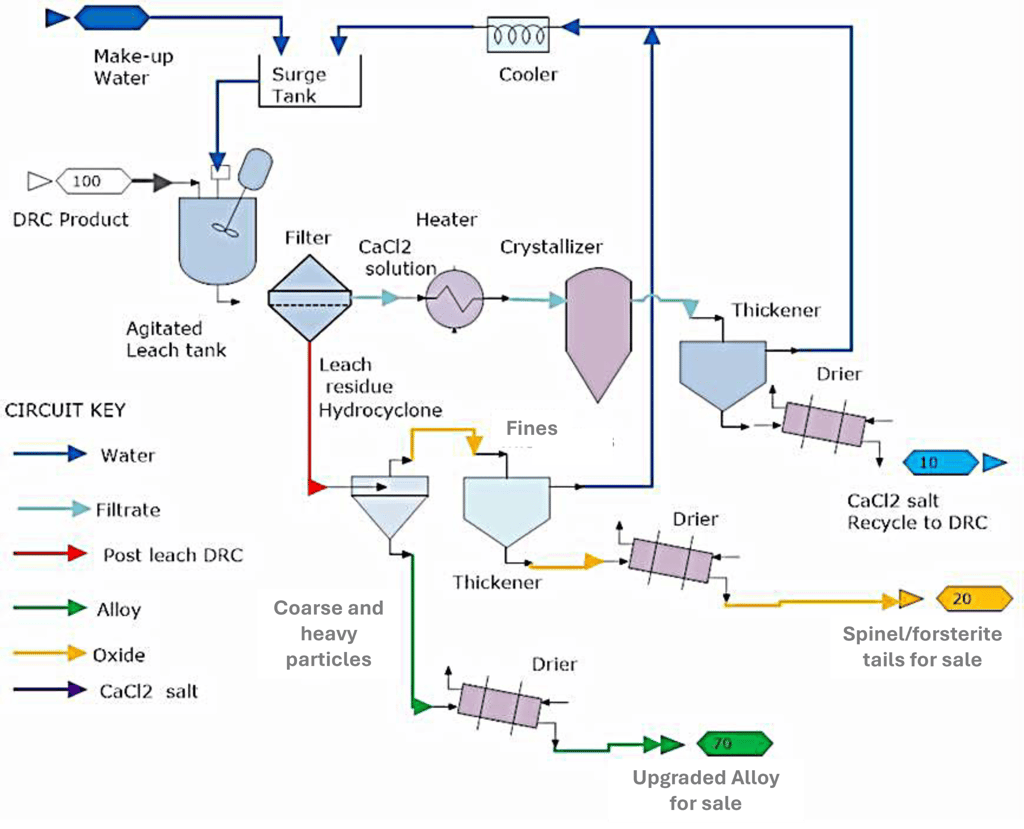
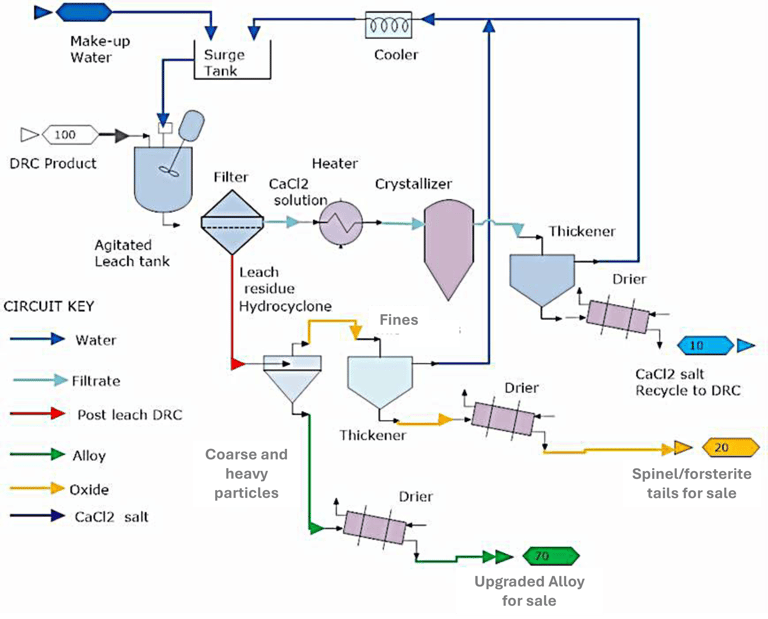
Step 3 - Recovery of alloy particles by conventional mineral processing
Step 4 - Cleaning & refining alloy/slag particles
Alloy particles are readily separated and recovered from the furnace products through conventional classification and gravity separation techniques
Addition of a cleaner circuit such as MGS, LIMS and/or Falcon will enhance the grade-recovery figures.
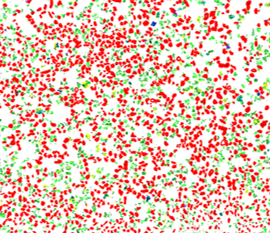
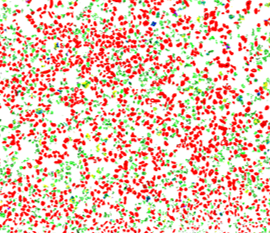
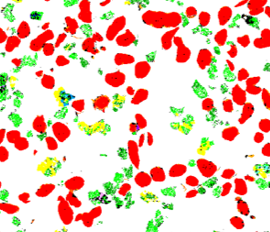
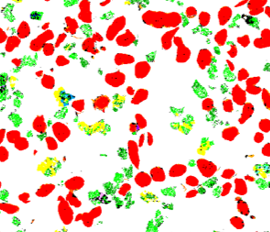
Red: alloy Green: spinel Yellow: forsterite
DRC product as seen under an SEM-based Mineral liberation analyzer
see technical paper for the details
Zero-Waste DRC System
DRC Products
Concentrate → ferrochrome for stainless steel
Tails → spinel-forsterite as refractory feedstock
Fines → CO2 capture/mineralization (Mg-carbonates) – with the potential to create carbon credits, offset emissions, and comply with future carbon mandates
Nothing goes to waste. Everything becomes a product.
Pilot Validation
Large-scale demonstration tests were carried out at federal research facility in Canada.
1-1.5 kg charges making 2 to 4 pellet high stacks to assess heat transfer limitations and to determine optimum pellet bed height in furnace.
Multi-layer pellet reduction success.
Results confirm consistent alloy formation and chromite conversion in stacked pellet beds of up to four layers.
High metallization achieved in 4‐pellet‐stack test.
Recovery figures reaching 90% for alloy grades of ~95% for rougher concentrates.
The process is at TRL-6.


Photos of reduced pellets from 4 pellet-high stack
top layer
bottom layer
From Innovation to Commercialization
Aiming to transform ferrochrome production for a sustainable future
© 2025. All rights reserved.